
Farming with a Low CO2 Footprint
The Koekoekspolder is a horticultural area where many crops are grown, including the cucumbers from our grower IJsselgrow. This family business is heavily involved in sustainable alternatives and innovative solutions.
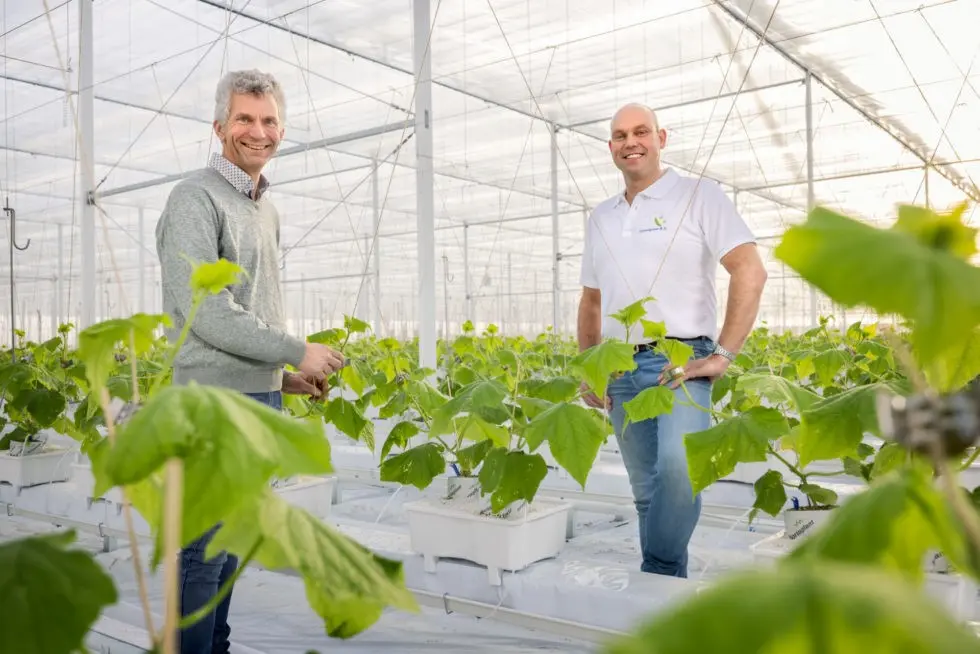
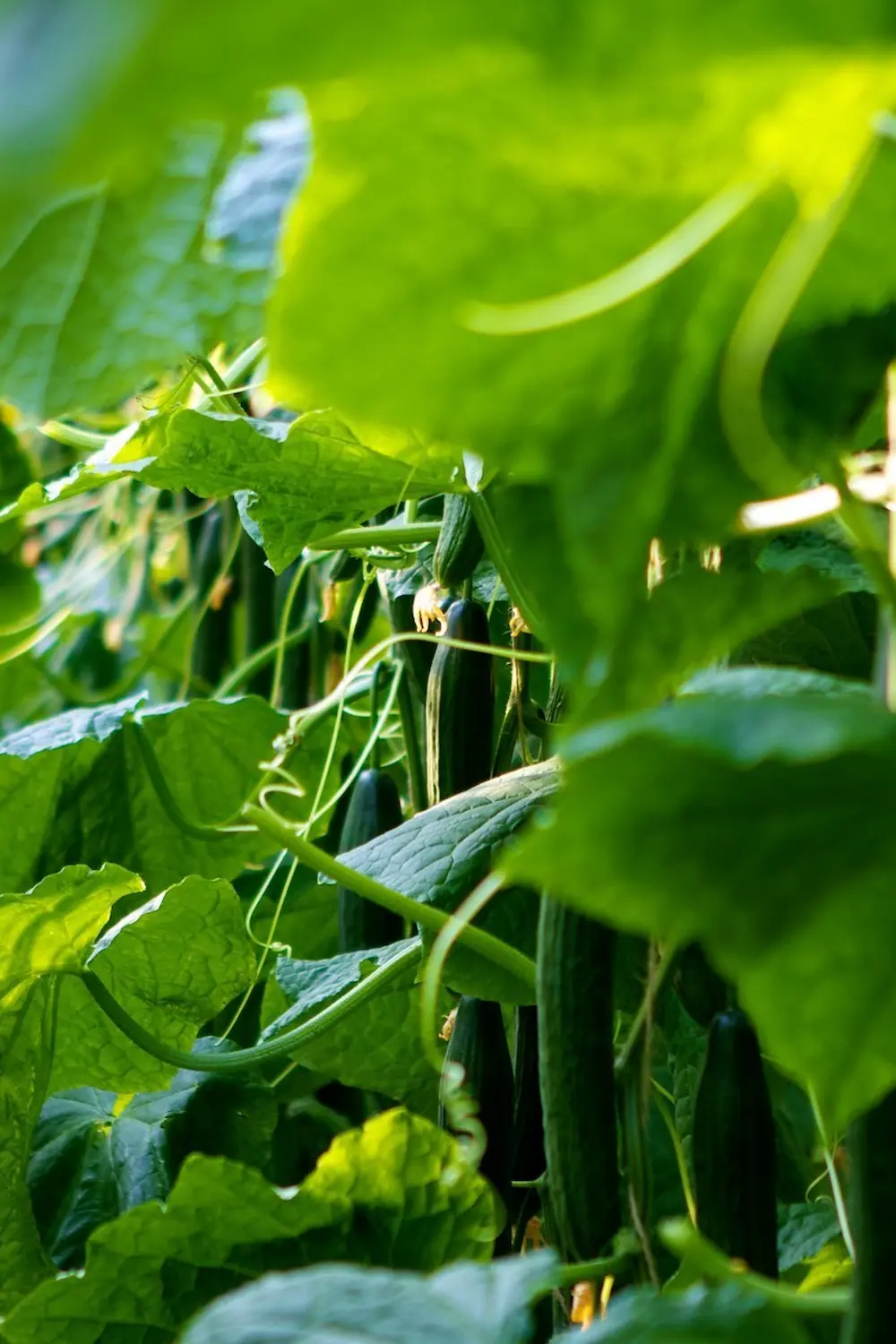
For instance, IJsselgrow sees no future in light-assisted cultivation during winter due to their CO2 goals. "The CO2 emissions per cucumber are much higher in heavily illuminated cultivation compared to unheated cultivation in Southern Europe. Therefore, we focus entirely on the Dutch season and are able to grow cucumbers with a low CO2 footprint."
One example of their innovative solutions is the installation of insect mesh on the ventilation windows. This mesh keeps out large numbers of insects, such as aphids, bumblebees, and bees. "This is the most effective way to prevent viruses from entering the crop. The insects that do manage to get into the greenhouse can be controlled through biological pest control."
Insects such as aphids, bumblebees, and bees can transmit viruses to the crops. To combat the massive entry of insects, IJsselgrow has installed insect mesh on the ventilation windows. This use of insect mesh strengthens the biological system. The insects that do make their way into the greenhouse can be controlled through biological methods. This is possible because the number of insects and the control measures are balanced through the insect mesh. This prevents virus outbreaks as effectively as possible, minimizing the need for chemical plant protection. IJsselgrow states that keeping the insects out is the most effective way to keep the crops virus-free. Furthermore, the mesh does not negatively affect ventilation, as the most fine-meshed netting has not been used.
IJsselgrow has also chosen to use Perlite, a volcanic rock, in their containers. This allows them to steam after each cultivation, killing diseases such as viruses and fungi. Perlite is also reusable for up to 20 years, unlike stone wool, which is typically replaced after one year.
Location